 ·
1 minute read
·
1 minute read
The Emancipation Proclamation legally freed enslaved people in Confederate states in active rebellion. It did not free those enslaved in the four border states that remained loyal to the Union, or those in Confederate states already under Union control. In the rebelling Confederate states where it applied, the Emancipation Proclamation was rejected by enslavers.
Even after General Lee’s surrender at Appomattox, Texas remained at war with the Union. On June 19, 1865, as Union troops entered the state, 250,000 enslaved Black people in Galveston, Texas, were read General Order Number 3, which informed them that had been liberated by the Emancipation Proclamation, issued by President Lincoln in January 1863. This order was the first document to mention racial equality. A major general named Gordon Edwards shared the news of the emancipation. By the time enslaved Black Texans were informed, the Civil War was over and Lincoln had been assassinated. This event, now known as Juneteenth, is one of many Freedom Days that African American communities celebrate.
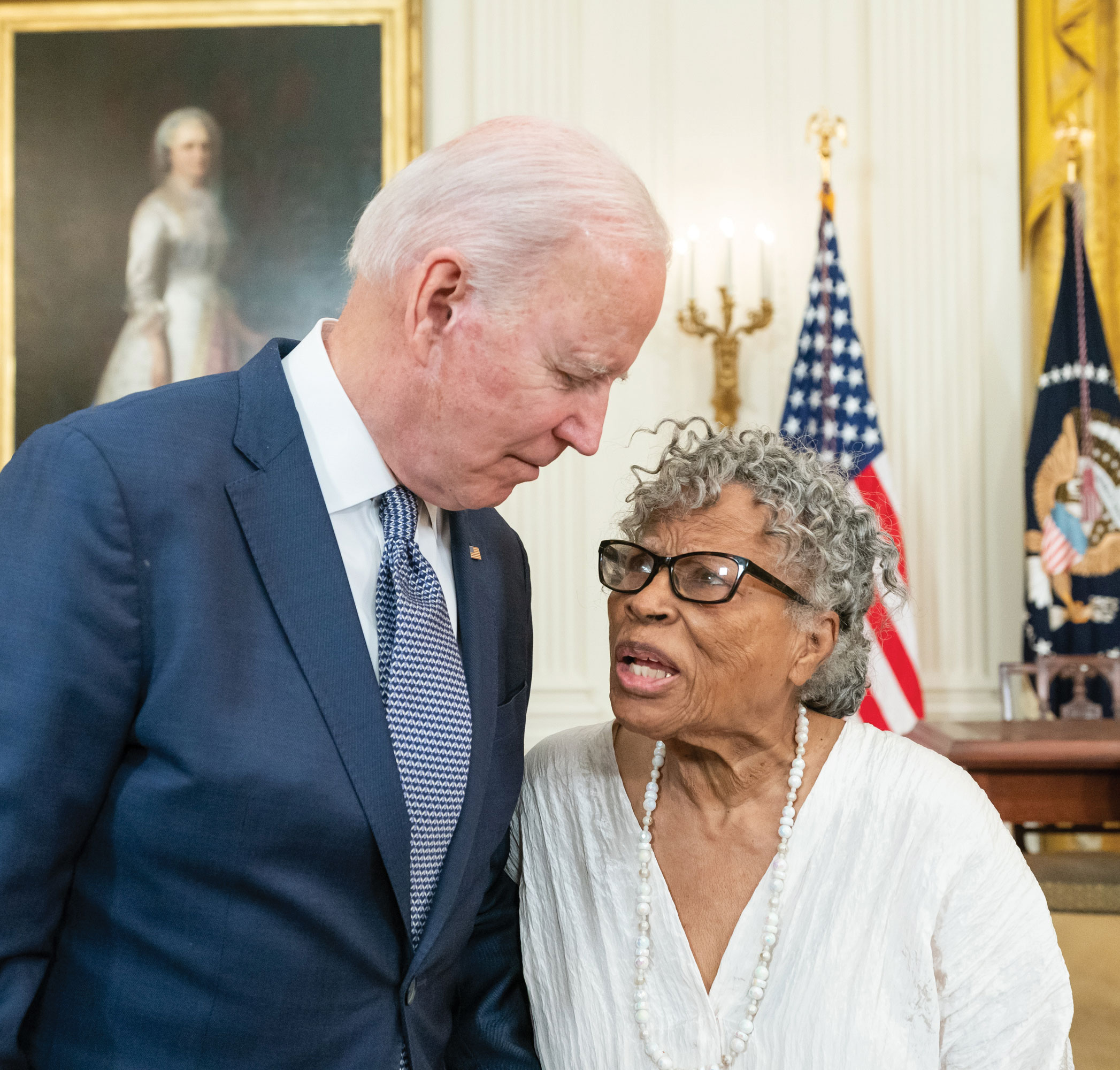
 Because of the efforts of activists like Opal Lee, who walked thousands of miles to raise awareness about the holiday, Juneteenth is now nationally recognized. On June 17, 2021, President Joe Biden signed the Juneteenth National Independence Day Act. The earliest Freedom Days celebrations included singing, dancing, and feasting. Today, Black Americans carry on the tradition with parades, block parties, and cookouts.
Download a free lesson plan to connect Black and African American studies to culture by examining a federal order.
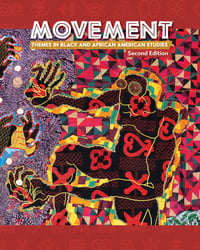 Movement: Themes in Black and African American Studies, Second Edition
Using the lenses of migration, economics, inequality, leadership, and culture, Movement delves into Black American history. Better aligned to the AP African American Studies standards, this second edition is designed with scaffolded support for students to learn the terms and tools they need to analyze the contributions of Black and African American communities in the United States. This resource features contributions and research from renowned Black scholars.